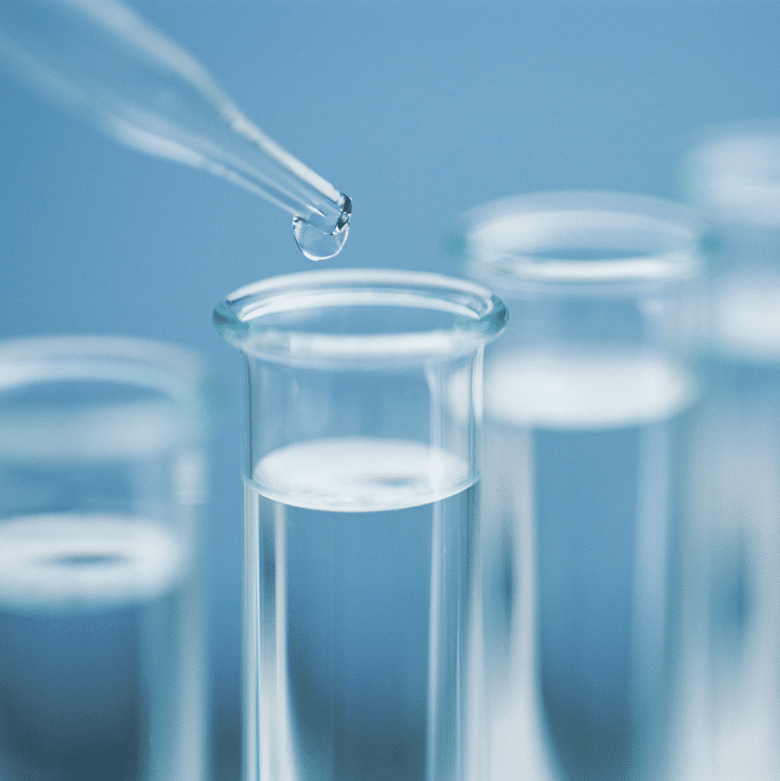
Beyond the Naked Eye: The Journey of a Water Sample
Lab & Science | H2O Guru Team | Water Analysis
You cannot smell E. coli, and you often cannot taste Arsenic. In the world of water safety, what you cannot see is often what hurts you the most. That is why we say: "Don't guess, test."
At H2O Guru, we believe that the correct solution starts with the correct diagnosis. But what actually happens to your water when it leaves your tap and heads to the lab? Here is the behind-the-scenes journey of the testing process.
Step 1: The Art of the Sample
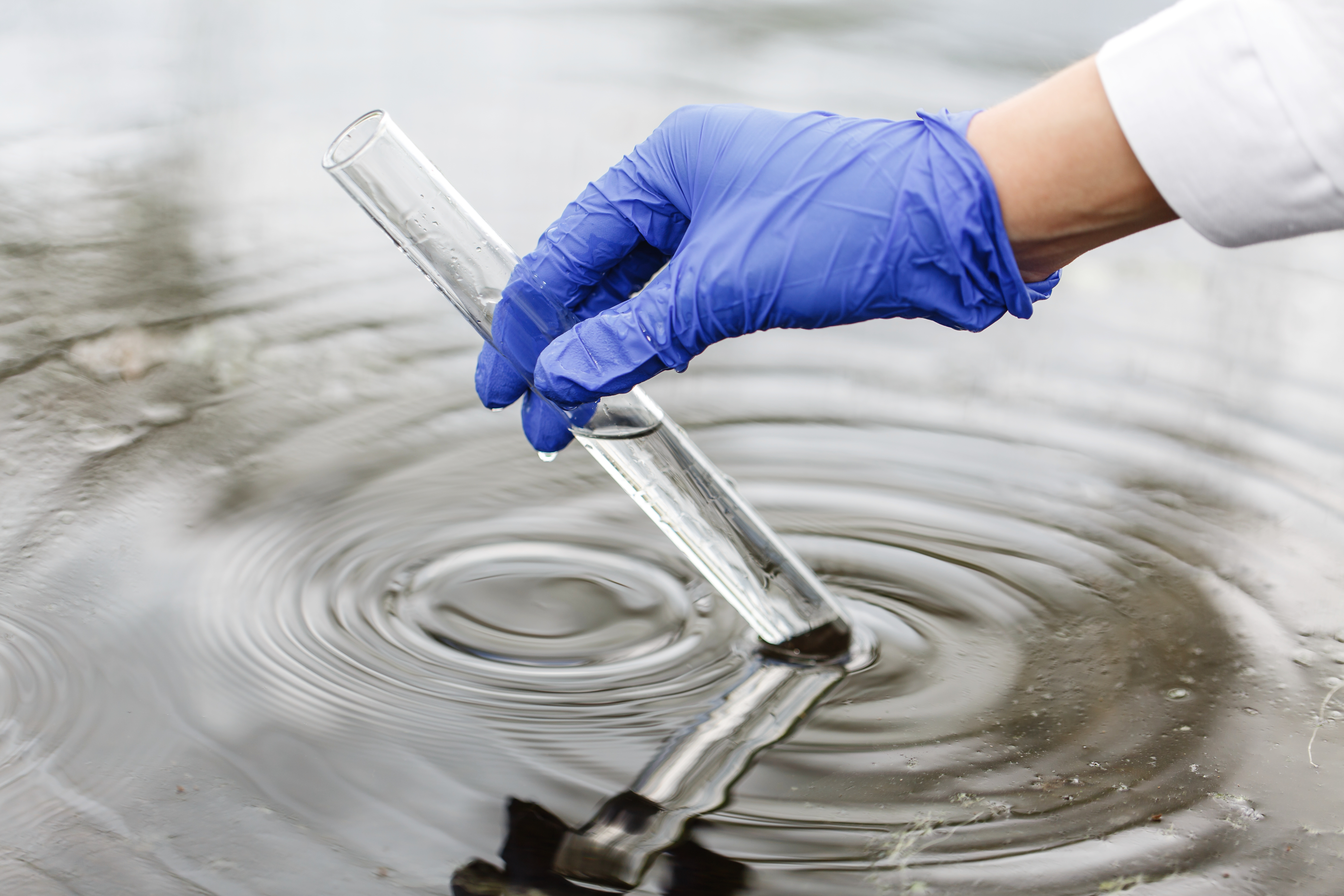
It starts at the source. Taking a water sample is not as simple as dunking a bottle in a bucket. To get an accurate reading, the process must be sterile.
- Sterile Containers: We use specialized bottles that are free of any contaminants.
- The Flush: We typically let the tap run for a few minutes to clear out stagnant water sitting in the pipes, ensuring we are testing the actual water supply.
Step 2: The Race to the Lab
Water samples are living things. If a sample sits in a hot car for two days, bacteria can multiply, giving a false "high" reading. Conversely, some chemical compounds can degrade.
This is why speed and temperature control are vital. Samples are often kept cool and transported to accredited laboratories quickly to ensure the "snapshot" of the water quality remains accurate.
Step 3: The Science (Micro vs. Macro)
Once at the lab, the water undergoes two main types of testing:
Scientists look for "indicator organisms" like Total Coliforms and E. coli. If these are found, it often means fecal contamination is present.
This checks the pH balance, hardness (limescale), and dangerous heavy metals like Lead, Copper, or Iron.
Step 4: The Prescription
This is the most critical step. A test result is useless without a solution. At H2O Guru, we use the lab findings to prescribe the exact "medicine" your water needs.
High Bacteria? We might prescribe UV Sterilization.
High Limescale? We prescribe a Water Softener or Conditioner.
Heavy Metals? We prescribe Reverse Osmosis.
By testing first, you avoid spending money on filters you do not need, and you ensure you are protected against the threats you actually have.
Don't Guess. Test.
Are you unsure about the safety of your borehole or municipal water? Let us handle the science so you can enjoy the safety.